
What Makes a Dish Taste Like Home? Latin Flavors that keep us coming back
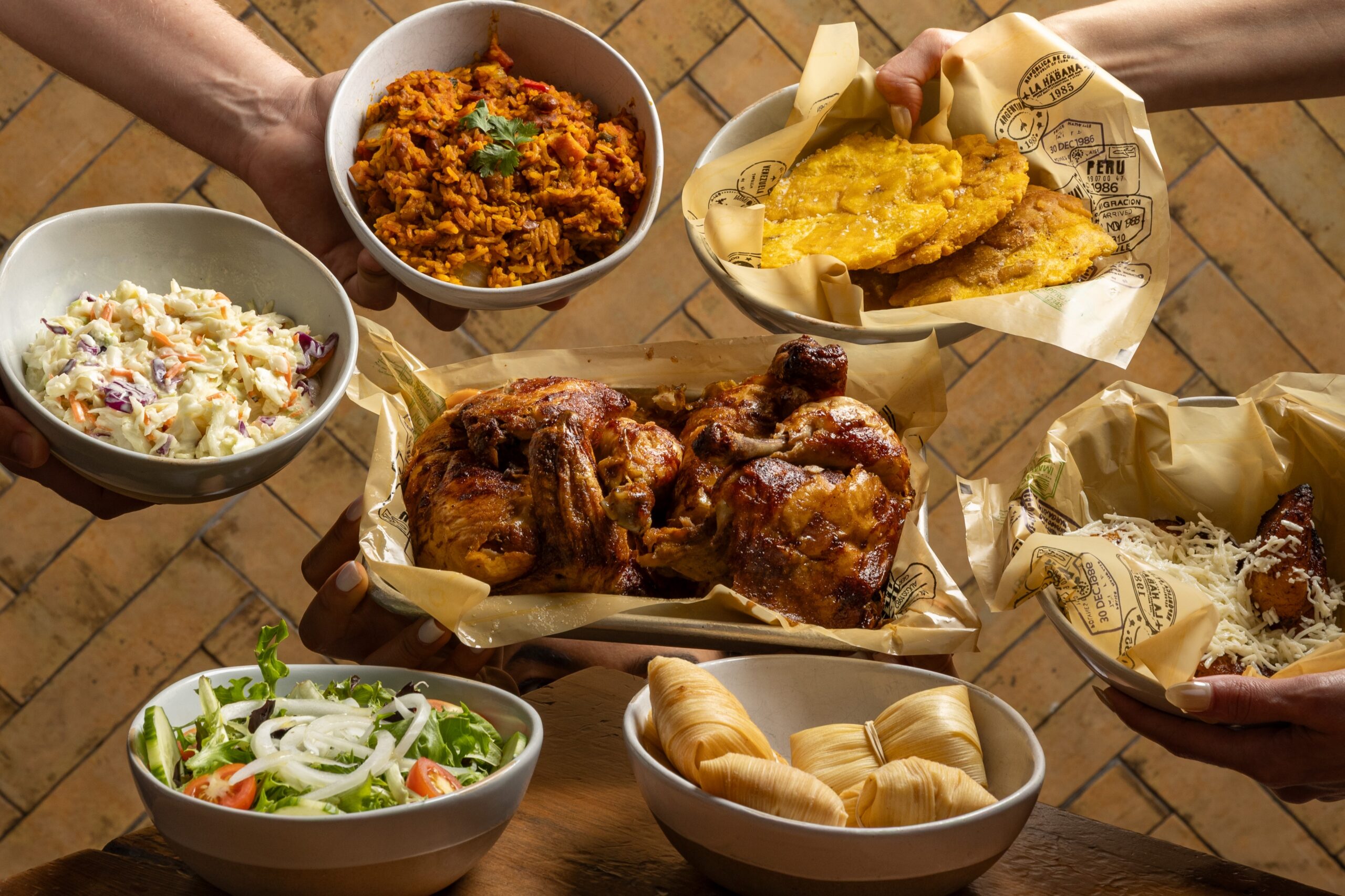
Some dishes feel familiar even before we taste them. An aroma, a combination of ingredients, or the way the food arrives at the table can instantly tell us that we are about to enjoy something comforting. It does not have to be the exact recipe we grew up with; sometimes, it simply carries the flavors we associate with eating well and feeling at home.
Across Latin America, the meaning of home-cooked food varies from one country to another. Every region has its own recipes and traditions, yet many ingredients cross borders and generations. Rice, beans, plantains, corn, meats, and simple preparations are part of tables that may seem very different but are also surprisingly similar.
At Francisca Restaurant, that diversity is part of what it means to be a restaurant with a Latin soul.

Ingredients we instantly recognize
Some ingredients appear again and again in Latin American cuisine because they are part of our shared culinary history.
Rice and beans may be the best example. The varieties, seasonings, and even the way they are served differ from country to country, but this classic combination remains a staple in countless homes.
Plantains also take on a completely different character depending on how they are prepared. Ripe plantains bring sweetness and tenderness, while green plantains can become golden and crispy.
And then there is corn. Arepas, cachapas, hallaquitas, and many other recipes begin with the same ingredient—one that each culture has made uniquely its own.
The same ingredients, different stories
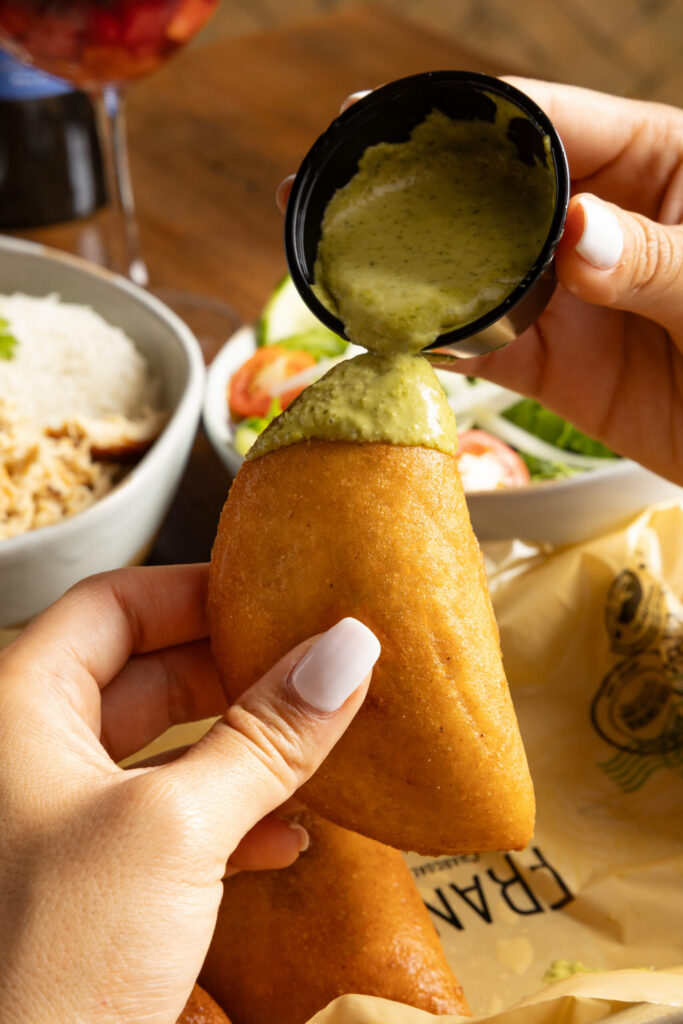
Part of the richness of traditional Latin American food comes from discovering how similar ingredients can tell completely different stories.
In a Pabellón, for example, rice, black beans, shredded beef, and plantains come together in one of Venezuela’s most iconic dishes. Many of those same flavors appear in a Bandeja Paisa, but they are arranged to reflect the abundance and traditions of Colombian cuisine.
These dishes do not taste the same, nor are they meant to. What they share is something more meaningful: they have endured because generations continue to prepare them, order them, and gather around the table to enjoy them.
When eating also feels like coming home
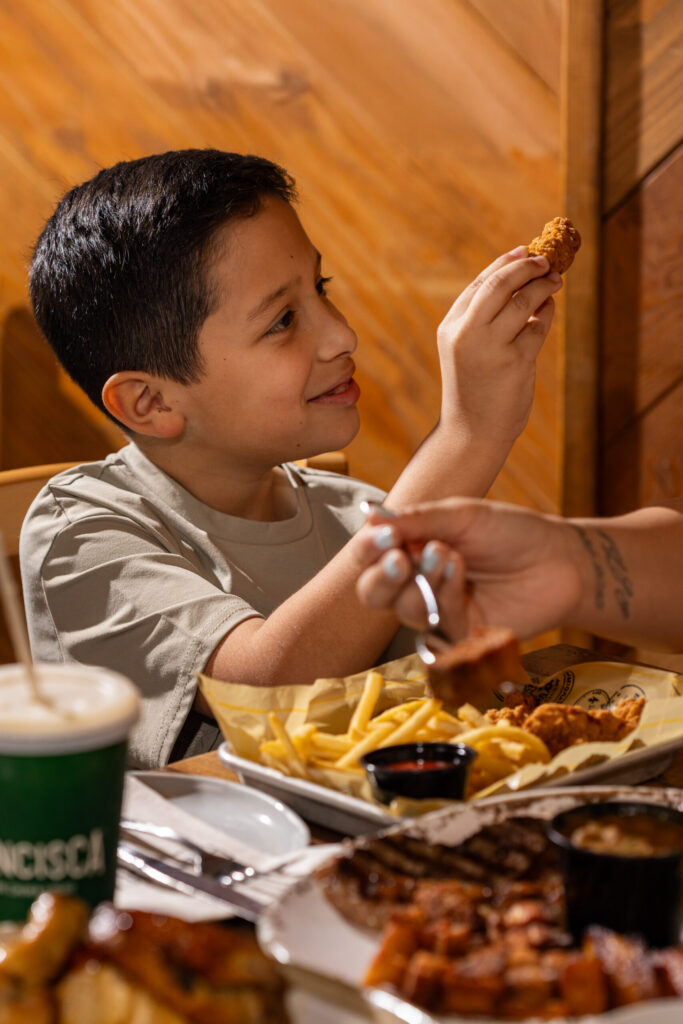
Perhaps that is what truly turns a recipe into the taste of home: repetition.
It is the dish prepared every Sunday, the side that always accompanied the main course, or the familiar combination whose flavor we can imagine before taking the first bite.
At Francisca, that sense of familiarity can be found in freshly made Arepitas, a whole Fried Red Snapper, a serving of sweet plantains, or meats accompanied by the flavors that have been present on Latin tables for generations.
These dishes are not meant to come from the same place. That is precisely what makes them special. Together, they show how many different stories can come together around one table.
What if you did not grow up eating latin food?
The taste of home can also be discovered.
You do not need to have grown up eating rice and beans, plantains, or arepas to appreciate the comfort of a dish made with simple ingredients, distinct flavors, and a clear sense of purpose.
Perhaps that is one of the most beautiful things about discovering Latin cuisine: tasting a recipe that belongs to someone else’s story and finding something unexpectedly familiar in it.
Because food that feels like home does not always have to come from your own kitchen.
Sometimes, it is found in a flavor you have remembered for years. Other times, it is in one you have just discovered and already know you want to experience again.
At Francisca Restaurant, many stories come together around the table. Yours can begin with any one of them.
📍 Visit any of our Florida locations and discover a table filled with flavors that celebrate the pride of our traditions.
Doral
Miami
Miami Lakes
Davie
Orlando
Hialeah Gardens
Food Truck Wynwood
Food Truck Kendall
Francisca Restaurant. A restaurant with a Latin soul!